
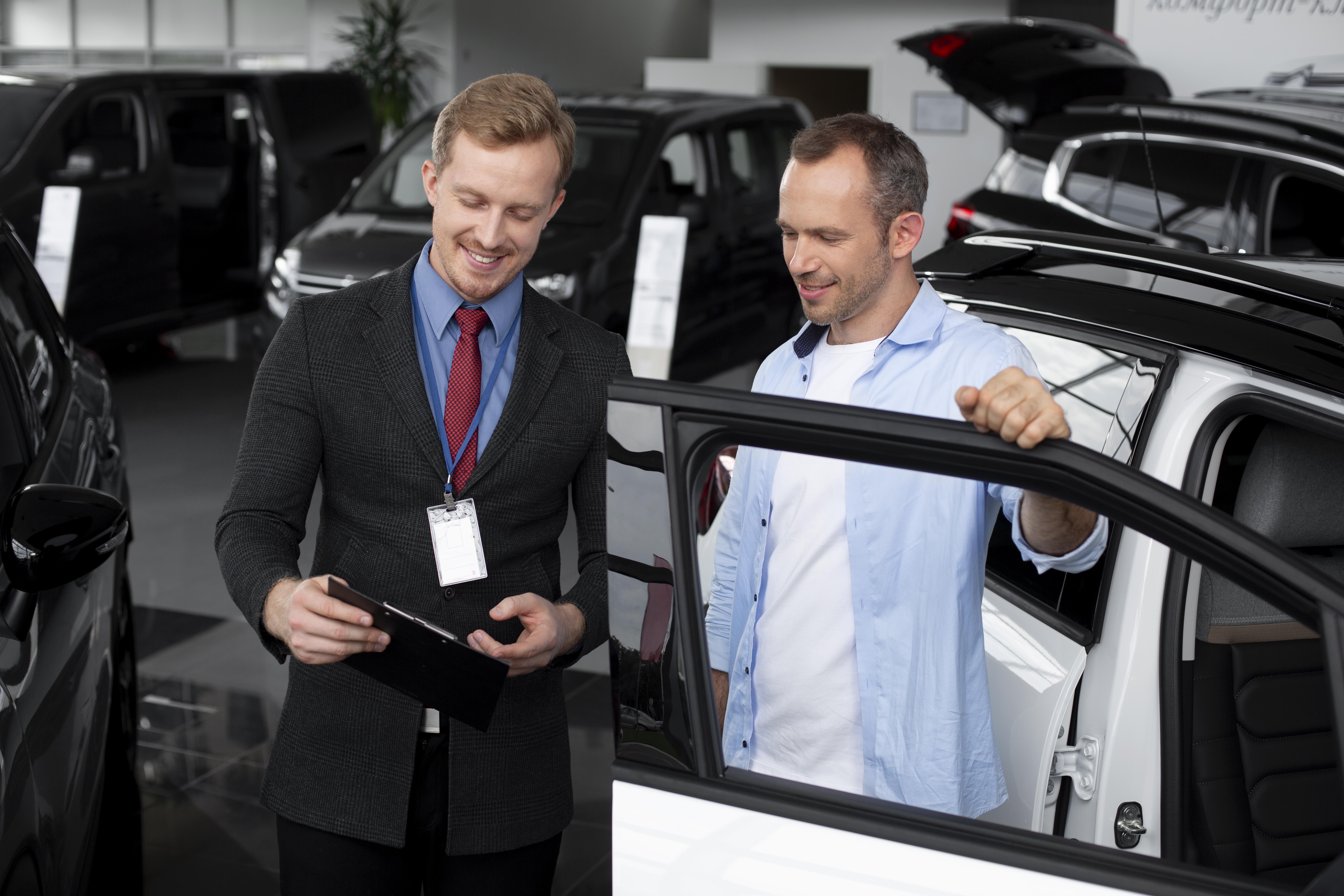
Dealerships run on people. As volumes grow across sales, service, and customer engagement, the way work is designed becomes just as important as the tools in use. When workflows are aligned and context flows smoothly across teams, employees spend more time on judgment-driven, customer-facing work, and less time on repetitive coordination.
The dealerships seeing steady gains from AI are not simply adding automation. They are redesigning how work flows across teams and placing AI inside that flow to absorb routine volume, preserve context, and support consistent follow-through. The outcome is teams spending more time where human judgment, trust, and clarity matter most.
Operational improvements tend to appear in a few consistent areas. Response times become more predictable as routine interactions are handled in-flow. Context carries across marketing, sales, and service, creating continuity in customer conversations. High-volume administrative work is handled systematically, allowing teams to focus on higher-value engagement.
Over time, this creates a calmer operating rhythm. Customer interactions feel more consistent. Teams experience fewer interruptions and clearer prioritization across daily work.
When AI becomes part of daily workflows, work moves with less friction. High-volume interactions no longer compete with high-value conversations. Context moves with the customer across touchpoints. Follow-through becomes part of the system rather than dependent on individual availability.
In practice, this shows up across functions:
This shift is less about speed alone and more about flow. Work moves with fewer handoffs and clearer continuity across teams.
| Area | Traditional Flow | When AI Is Embedded in the Flow |
|---|---|---|
| Lead Engagement | Manual responses and follow-ups | Real-time acknowledgment and continuity |
| Service Operations | Scheduling handled at the front desk | Scheduling and reminders handled in-flow |
| Marketing & Outreach | Broad campaigns | Context-aware engagement |
| Finance & Back Office | Manual documentation checks | Validation embedded into workflows |
| Employee Experience | Reactive task switching | More focus on customer-facing judgment |
ROboT fits naturally into service-to-sales workflows by engaging customers in the service lane and carrying that context into follow-up and appointment-setting. It supports continuity between service interactions and downstream engagement without adding coordination overhead for frontline teams. In this way, ROboT becomes part of how engagement flows, rather than a separate tool teams have to manage.
AI creates the most value when it becomes part of how work moves, not another system to manage. When volume absorption, context preservation, and routine follow-through are embedded into workflows, teams experience smoother daily operations. Human attention is then reserved for conversations and decisions that benefit most from judgment and relationship-building.
Effective adoption focuses on how AI fits into existing routines. Frontline teams help shape where automation reduces friction and where human judgment remains central. Over time, teams experience clearer handoffs, steadier follow-through, and more time for meaningful customer interactions. These operational signals matter as much as performance metrics because they shape how AI becomes part of daily work.
The practical value of AI in dealership operations lies in creating space for people to do their best work. When routine coordination is handled in-flow, teams can focus on clarity, service quality, and relationship-building. Customers experience continuity across touchpoints, and employees experience a steadier operating rhythm.
The most effective AI systems in dealerships will feel like part of the operating fabric. They will quietly support volume handling, context continuity, and everyday follow-through. As operations are designed around people and AI is placed inside that design, dealerships become easier to operate and more consistent in how they serve customers.